
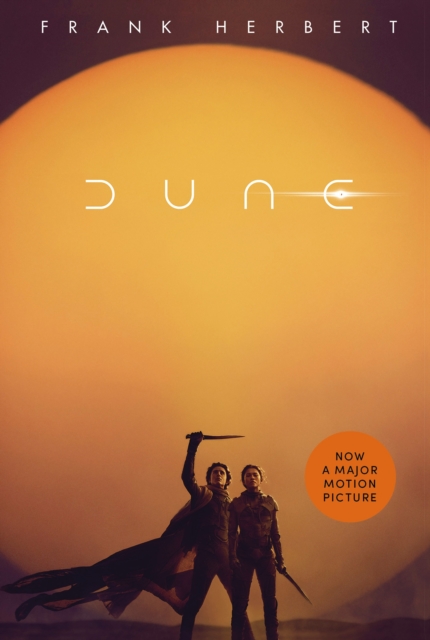
Dune, written by Frank Herbert, is an epic science fiction novel set on the desert planet Arrakis—a harsh world where water is the most precious commodity. At the heart of the story is young Paul Atreides, heir to the noble House Atreides, who must navigate treacherous political intrigues and ancient prophecies after his family is granted control of Arrakis. The planet’s significance lies in its production of “spice,” a substance that not only fuels interstellar travel but also enhances mental abilities, making it the most valuable resource in the galaxy. Amidst warring noble houses and the fierce Fremen natives who have adapted to Arrakis’ unforgiving climate, Paul is forced into a journey that tests his courage, identity, and destiny.
It took me two months to finish reading Dune, and during that time, I decided to hold off on going to the cinema so I could experience the entire story before watching the newly released second movie. Frank Herbert’s rich world-building and philosophical undertones kept me engrossed from start to finish, as the novel delves into themes of power, ecology, and the interplay between free will and prophecy. Paul’s transformation—and the broader struggle for Arrakis—challenges readers to consider how environments shape societies and how individuals can reshape their own fate. Even decades after its initial publication, Dune remains a cornerstone of science fiction, and for me, completing the book first made the cinematic experience all the more rewarding.
 rezamogharab.com
Leave a comment