
Category: Library posts
-
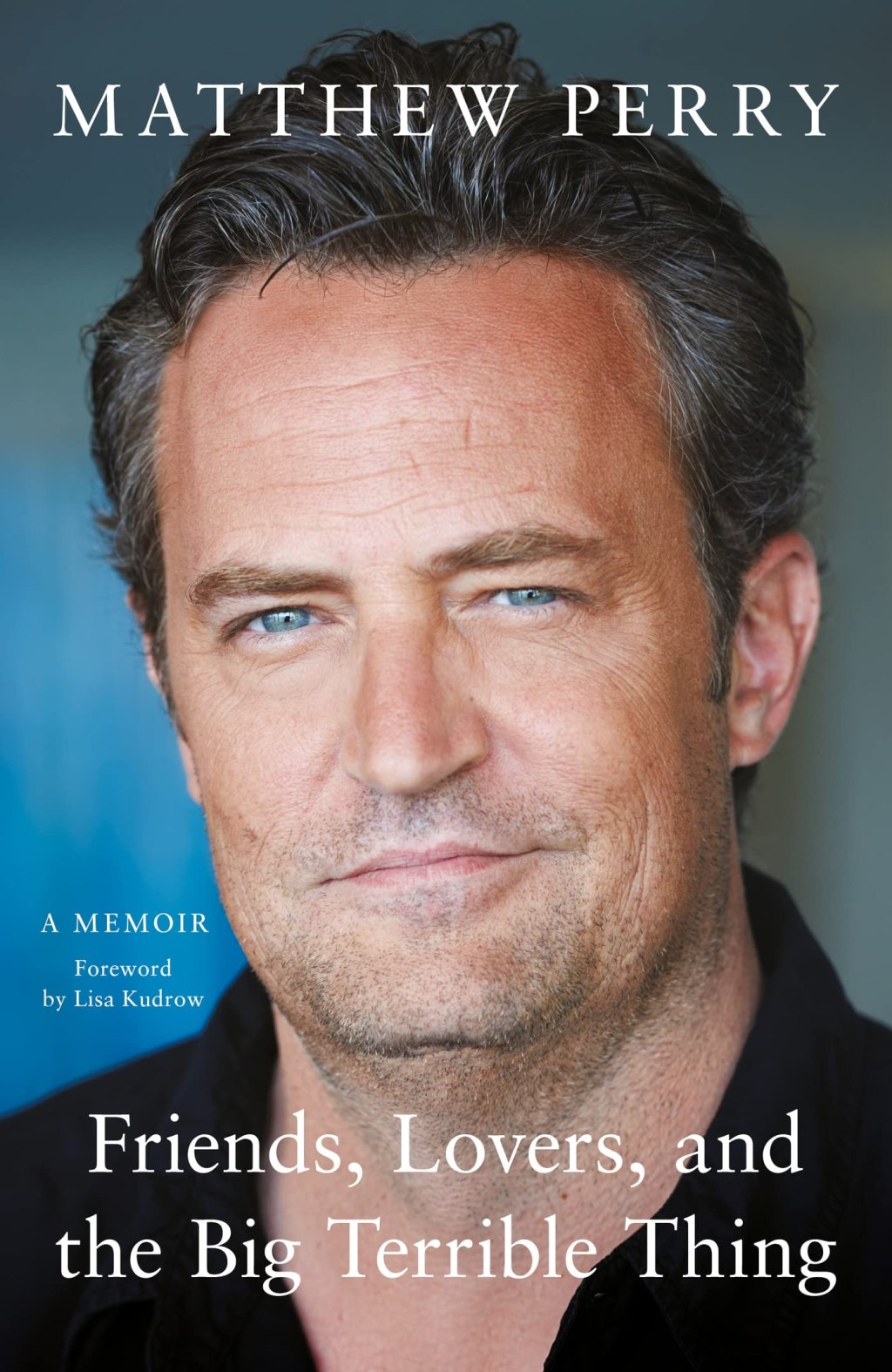
“Friends, Lovers, and the Big Terrible Thing” by Matthew Perry is a raw, honest, and deeply personal memoir that charts the highs and lows of fame, addiction, and self-discovery. Perry’s candid storytelling reveals the emotional and psychological complexities behind his success on Friends, his struggles with substance abuse, and his relentless pursuit of healing. What…
-

“The Psychology of Money” delves into the intricate relationship between individuals and their financial decisions, emphasizing that managing money is more about behavior than technical know-how. Housel presents 19 short stories illustrating how personal biases, emotions, and unique experiences influence our financial choices, underscoring the importance of humility and patience in wealth accumulation. After reading…
-
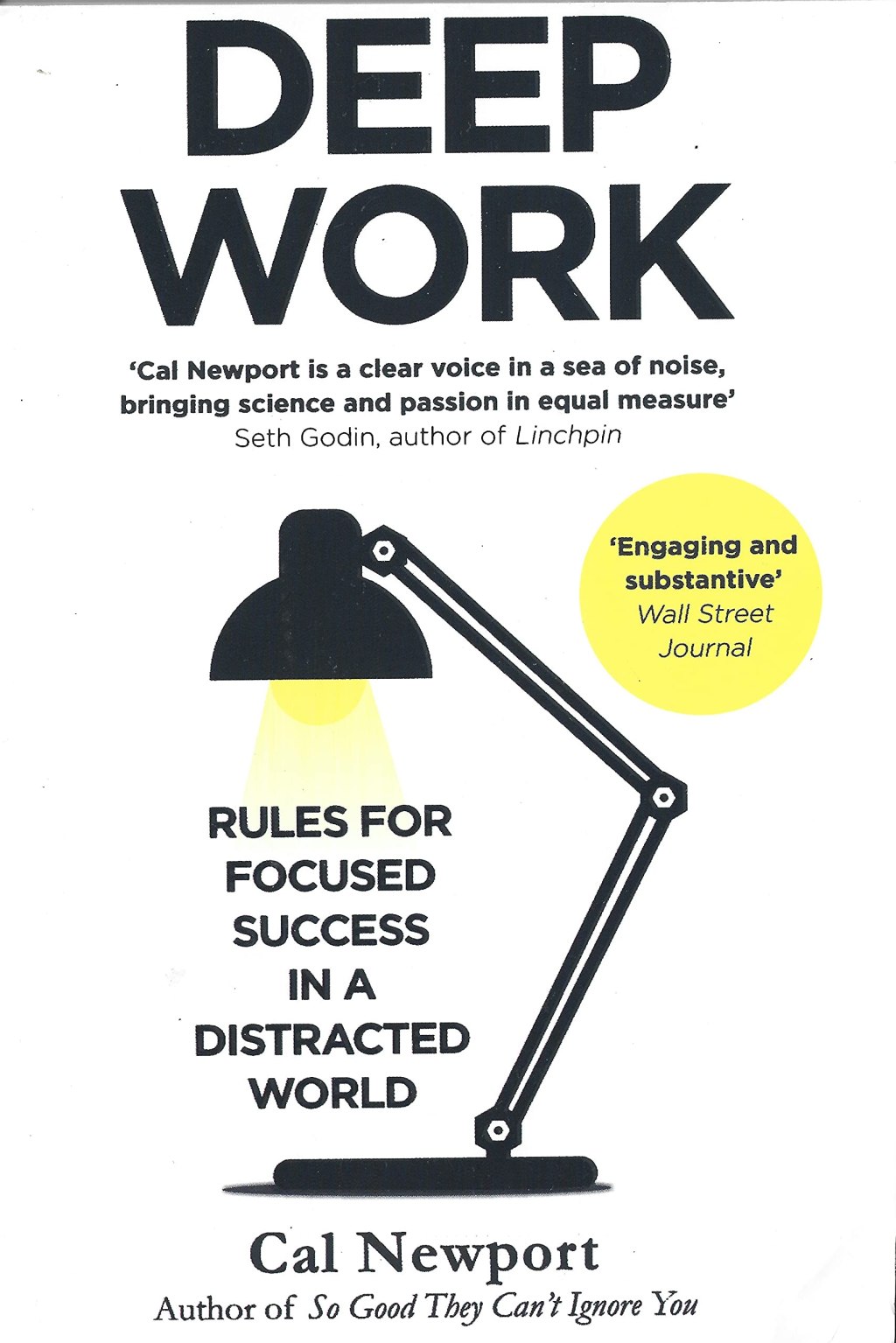
“Deep Work” by Cal Newport is a compelling exploration of how focused, uninterrupted work can unlock extraordinary productivity and foster creative breakthroughs in an era brimming with distractions. Newport argues that in our hyper-connected world, the ability to concentrate deeply is becoming increasingly rare—and yet, it is one of the most valuable skills one can…
-
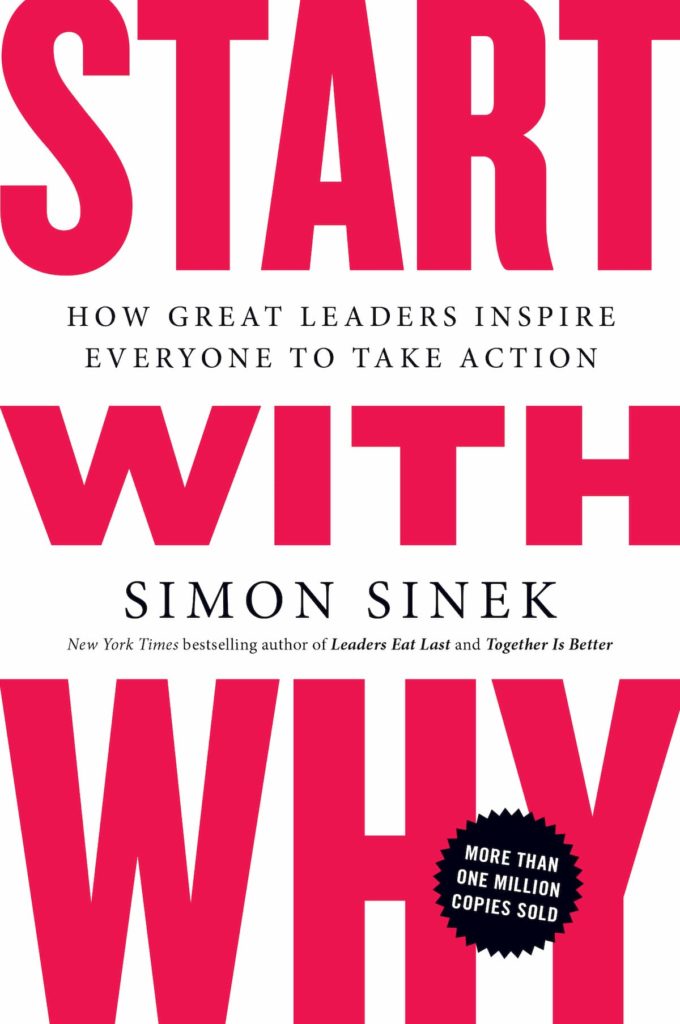
Start with Why by Simon Sinek explores the power of purpose and how leaders and organizations that focus on “why” they do something, rather than just “what” they do or “how” they do it, are more successful and inspiring. Sinek introduces the concept of the “Golden Circle” with “Why” at the core, explaining that people…
-
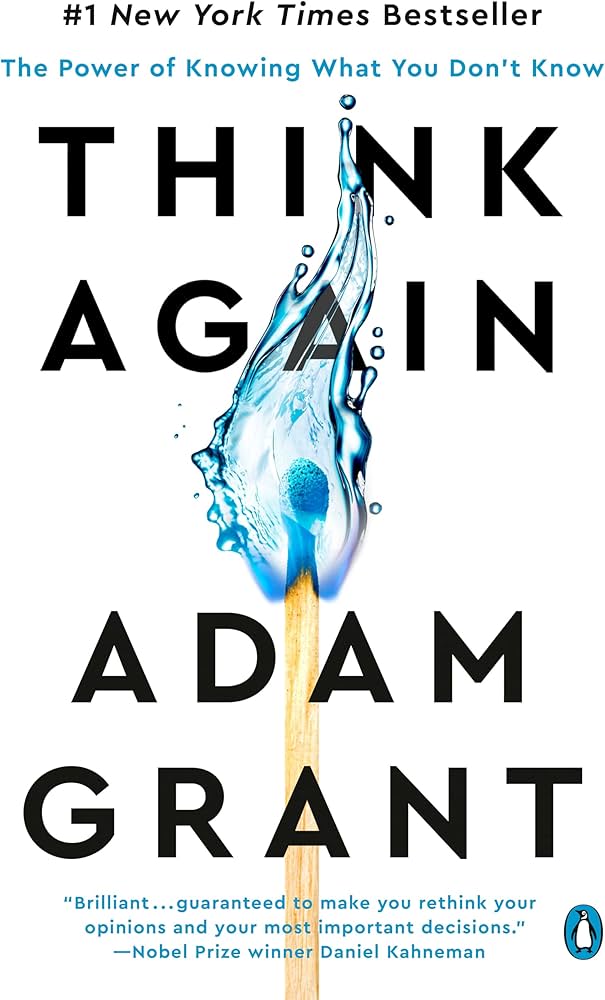
Think Again by Adam Grant was an eye-opening read that completely changed how I approach decision-making. The book challenges the idea that sticking to our initial beliefs is a sign of strength and instead encourages the habit of rethinking and questioning. Grant emphasizes the importance of intellectual humility—being open to changing your mind when presented…
-
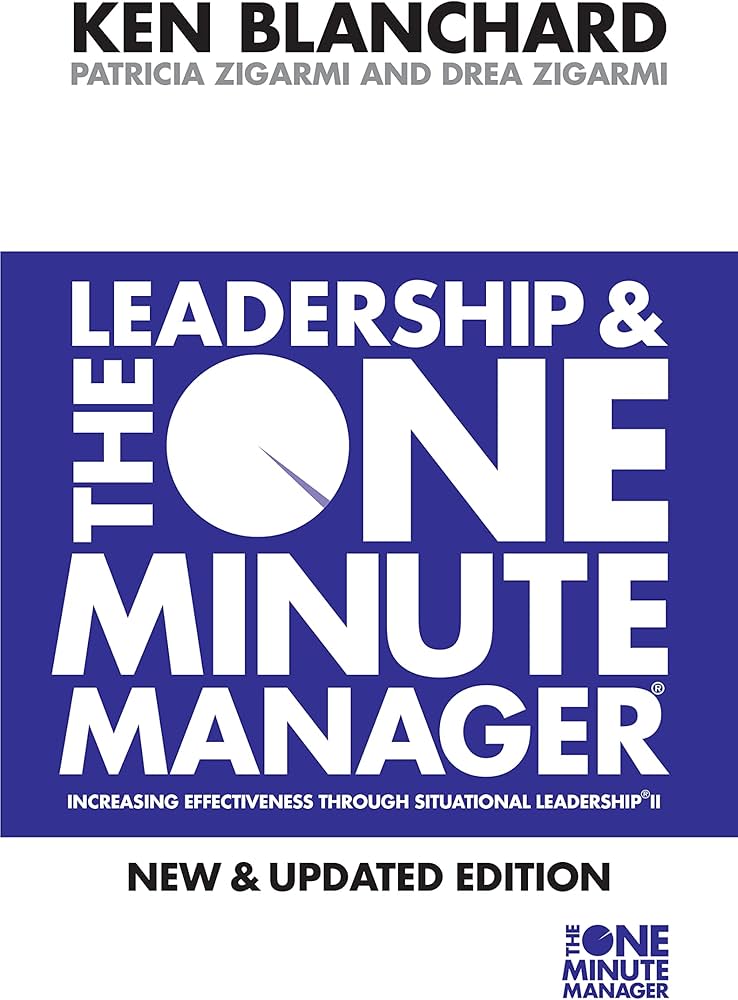
“Leadership and the One Minute Manager” first caught my attention when I was just 13 years old. At that age, I didn’t grasp much of its depth, but the ideas left an impression that stayed with me over the years. Recently, revisiting the book as an adult, I was pleasantly surprised by its timeless insights—especially…
-
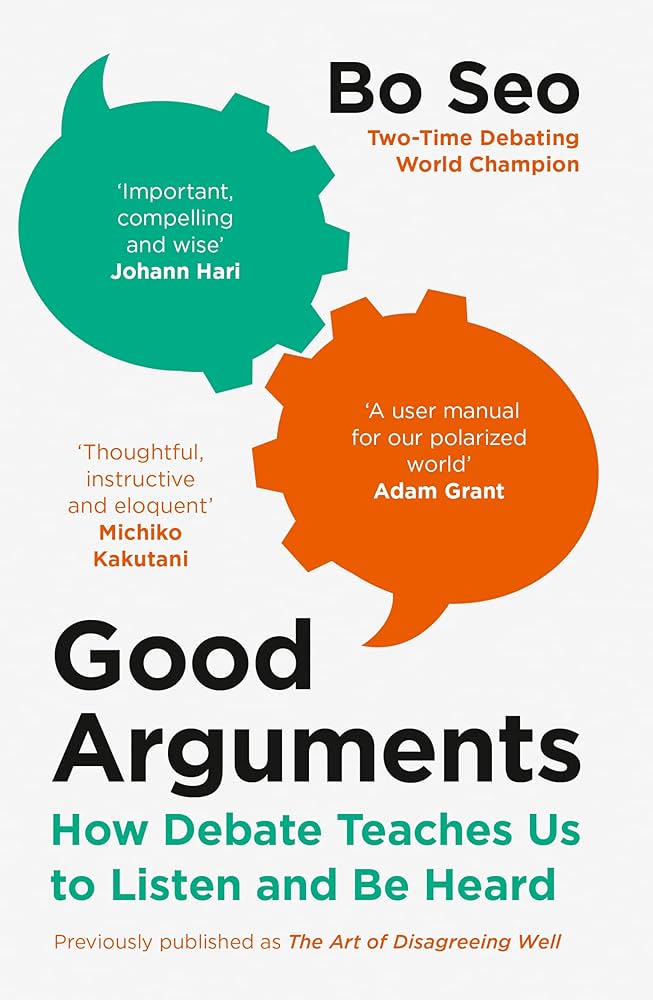
“Good Arguments” by Bo Seo is an engaging exploration into the art of debate, where the narrative follows Seo’s journey through the competitive world of debating. The book outlines his experiences, challenges, and victories as he strives to become the best member of his debate team. Seo shares a range of clever and insightful strategies…
-

“Radical Candor” by Kim Scott is a refreshing guide on building strong relationships through honest feedback and care. I started reading it because my current boss is absolutely obsessed with the concept, and I was curious to see how this method of resolving issues could transform workplace communication. The book teaches how to care personally…
-

“1984” by George Orwell is a profound dystopian novel that plunges readers into a world dominated by constant surveillance, government control, and the systematic rewriting of history. The story follows Winston Smith, an individual struggling to retain his autonomy in a society where Big Brother’s omnipresent gaze ensures conformity and suppresses dissent. Orwell’s narrative is…
-
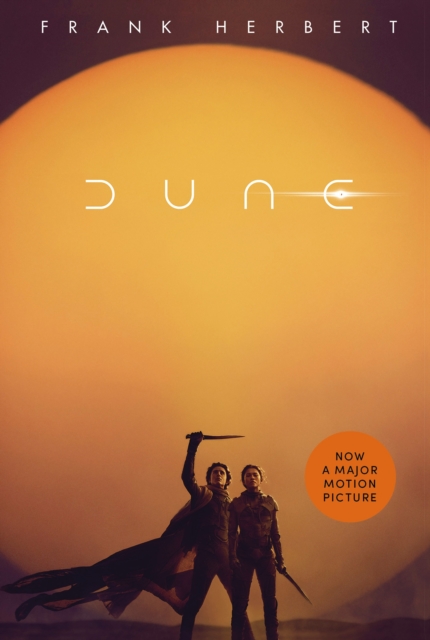
Dune, written by Frank Herbert, is an epic science fiction novel set on the desert planet Arrakis—a harsh world where water is the most precious commodity. At the heart of the story is young Paul Atreides, heir to the noble House Atreides, who must navigate treacherous political intrigues and ancient prophecies after his family is…
 rezamogharab.com